Outdoor Tiling Sydney 2026: Complete Guide to Patios, Balconies & Alfresco Areas | Sydney Tiling 1
Everything you need to know about outdoor tiling in Sydney — from non-slip tile selection and drainage requirements to costs and maintenance for patios, balconies, and alfresco areas.

Sydney Tiling 1
10 min read
Key Takeaways
- Outdoor tiling in Sydney costs between $50-$120 per sqm depending on tile type and area complexity
- Non-slip ratings (P4/P5 or R11/R12) are essential for outdoor tiles in Sydney's wet coastal climate
- Balcony tiling requires AS 3740-compliant waterproofing and proper drainage gradients
- Porcelain and natural stone are the most durable options for Sydney's UV exposure and salt air
- Professional installation with correct expansion joints prevents cracking from thermal movement
Outdoor Tiling in Sydney: 2026 Guide
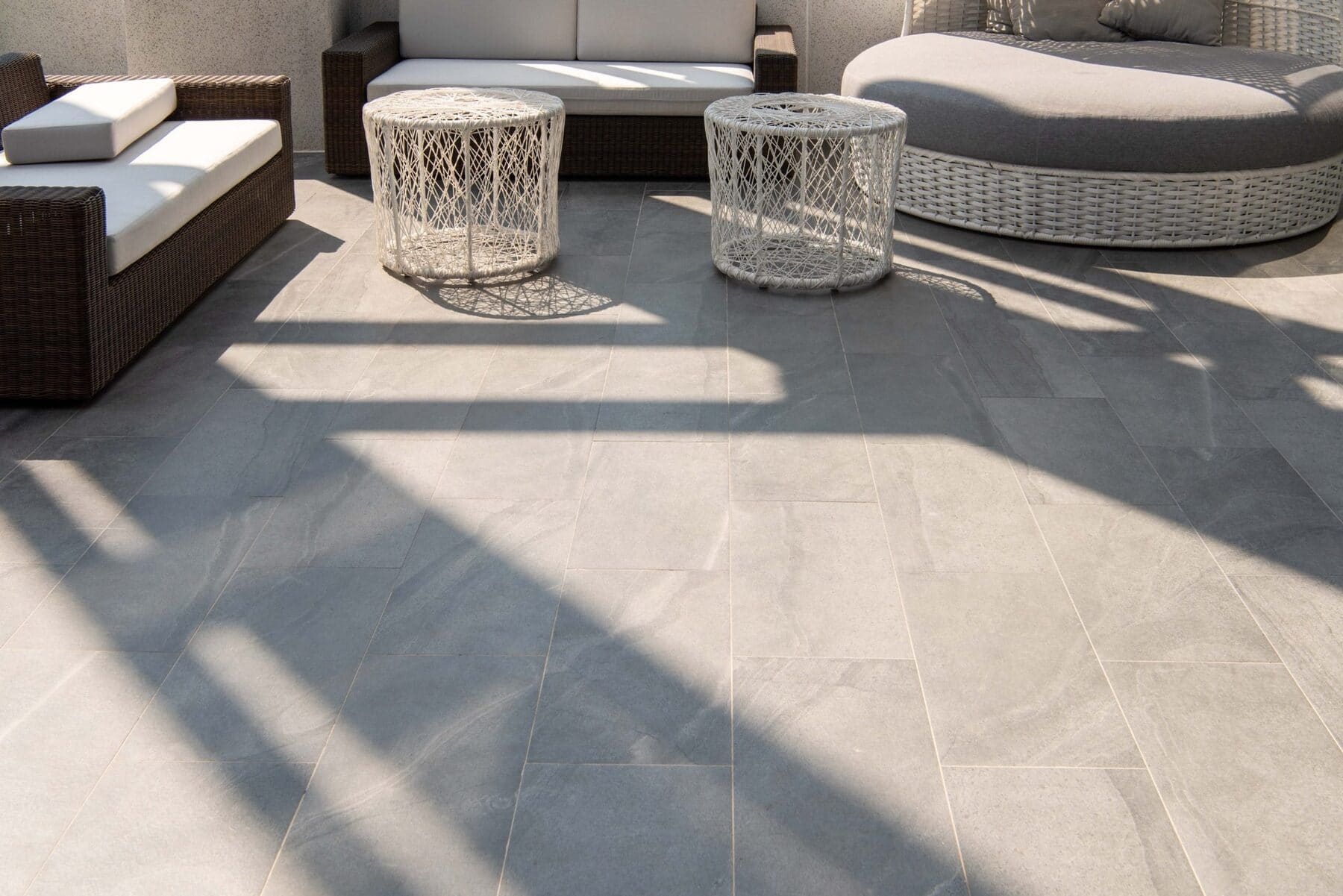
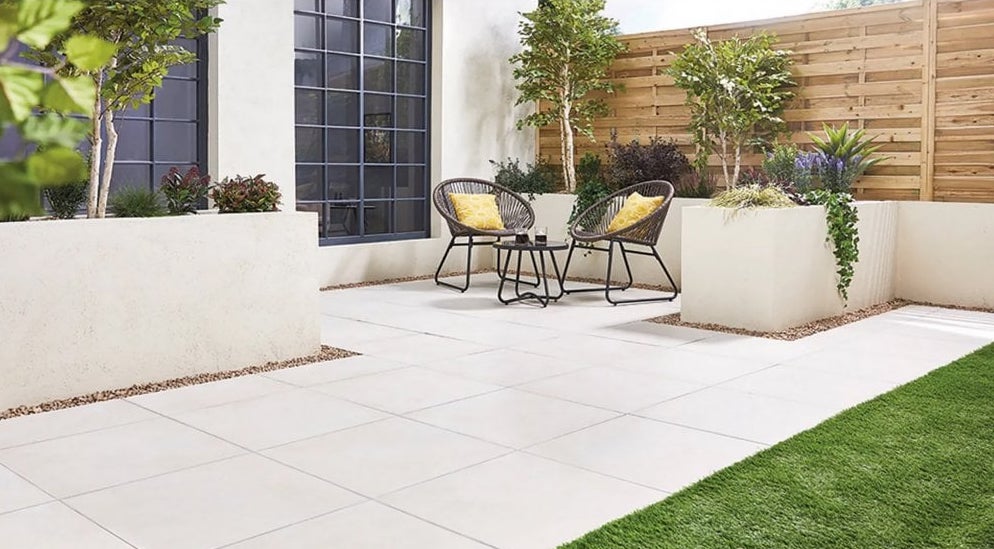
Outdoor tiling transforms patios, balconies, and alfresco areas into functional living spaces — and in Sydney, where outdoor entertaining is a way of life, the right tiles make all the difference. Whether you're renovating a harbourside balcony on the Northern Beaches or building an alfresco dining area on the Central Coast, outdoor tiling requires specific materials, drainage design, and installation techniques to withstand Australia's demanding climate.
This guide covers everything you need to know about outdoor tiling in Sydney: tile types, non-slip ratings, costs, waterproofing requirements, and long-term maintenance. For regional context, see our Northern Beaches tiling services and Central Coast tiling services coverage.
Outdoor Tiling Costs in Sydney
Outdoor tile costs vary depending on the material, area size, and preparation requirements. Here's how common outdoor tile types compare:
| Tile Type | Cost per sqm (inc. installation) | Best suited for |
|---|---|---|
| Porcelain (outdoor-rated) | $55 - $85 | Patios, alfresco areas, pool surrounds |
| Natural Stone (sandstone, granite) | $70 - $120 | Premium entertainment areas, feature patios |
| Concrete-look Porcelain | $50 - $75 | Modern courtyards, driveways, pathways |
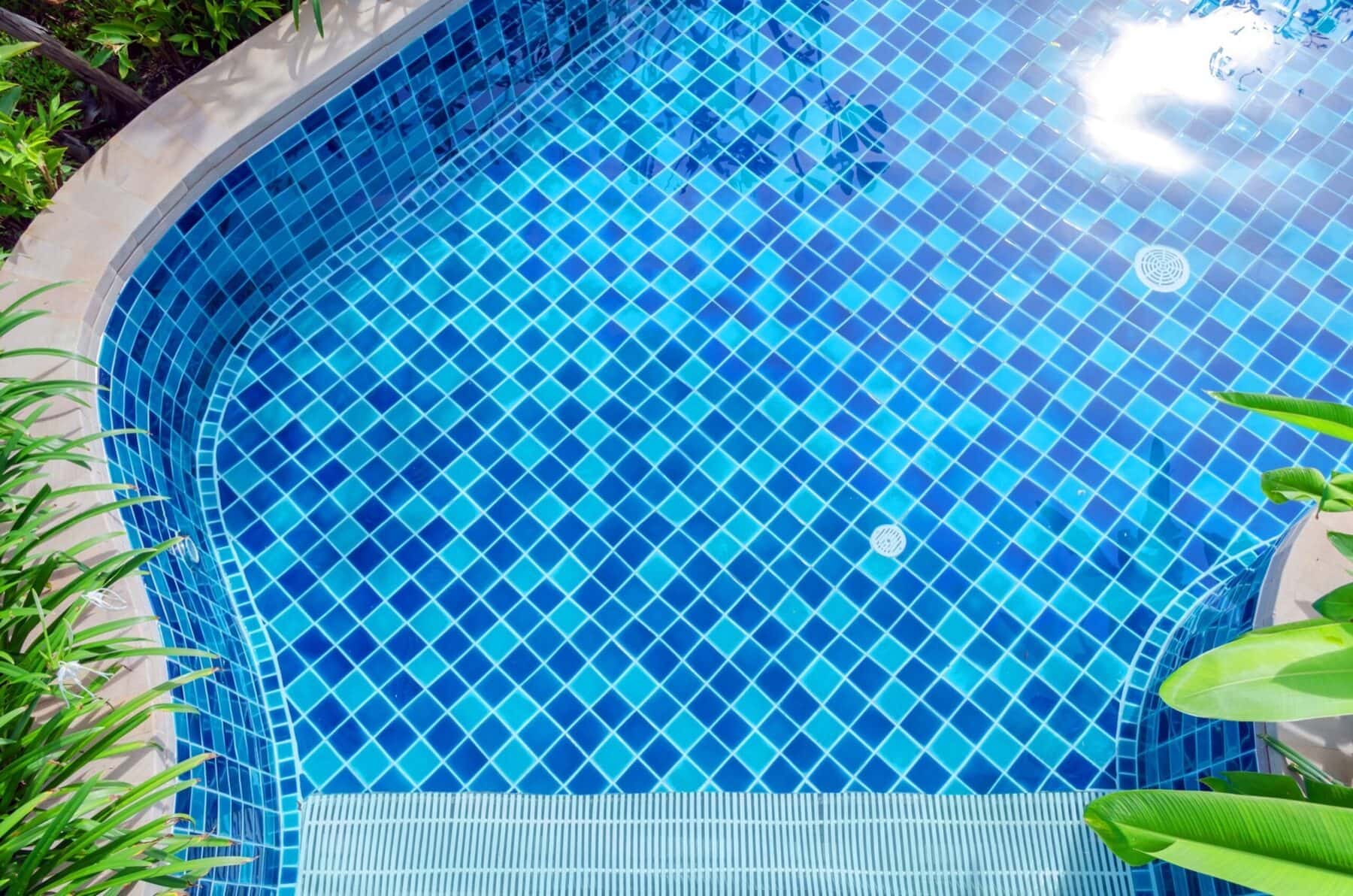
| Travertine | $65 - $100 | Pool surrounds, Mediterranean-style courtyards |
| Non-slip Ceramic | $45 - $65 | Budget-friendly patios, covered areas |
Note: These price ranges are indicative and include professional installation. Site preparation, drainage work, and waterproofing (where required) may incur additional costs depending on your property.
Understanding Non-Slip Ratings for Outdoor Tiles
Non-slip performance is the single most important specification for outdoor tiles in Sydney. Two rating systems are commonly used in Australia:
P Ratings (Wet Pendulum Test)
The Australian standard for slip resistance in wet conditions:
- P3: Minimum for covered outdoor areas with limited water exposure
- P4: Recommended for patios, balconies, and alfresco areas
- P5: Required for pool surrounds, shower areas, and high-moisture zones
R Ratings (Ramp Test)
Used alongside P ratings for additional guidance:
- R10: Suitable for covered verandahs with minimal water
- R11: Standard for exposed outdoor areas
- R12: Ideal for pool decks and areas with standing water
For most outdoor applications in Sydney, look for tiles rated P4/R11 or higher. Pool surrounds should be P5/R12 to ensure safety when wet.
Outdoor Tile Materials for Sydney's Climate
Not every tile is suitable for outdoor use. Sydney's combination of UV exposure, salt air (particularly on the Northern Beaches and Central Coast), and seasonal rain demands specific material properties.
Porcelain Tiles
The most popular choice for outdoor tiling in Sydney:
- Water absorption below 0.5%: Virtually impervious to moisture
- UV stable: Colours and patterns resist fading in direct sunlight
- Frost resistant: Handles temperature fluctuations without cracking
- Low maintenance: No sealing required, easy to clean
- Wide design range: Stone-look, timber-look, and concrete-effect finishes available
Natural Stone
Premium option for high-end outdoor spaces:
- Sandstone: Warm, natural tones that blend with Australian landscapes. Requires sealing every 2-3 years
- Granite: Extremely hard-wearing and salt-resistant. Ideal for coastal properties
- Travertine: Naturally cool underfoot — excellent for pool surrounds. Needs regular sealing
- Bluestone: Dense, durable, and slip-resistant. Traditional choice for Melbourne and Sydney courtyards
Concrete-Look Porcelain
Growing in popularity for modern outdoor spaces:
- Industrial aesthetic: Clean, contemporary appearance
- Practical benefits: All the durability of porcelain with a concrete look
- Large format options: 600x600mm and 600x1200mm for fewer grout lines in outdoor areas
- Cost-effective: Achieves a premium look at a moderate price point
Outdoor Tiling Applications
Different outdoor areas have specific requirements. Here's how typical project costs break down:
| Application | Typical Size | Indicative Total Cost |
|---|---|---|
| Patio / Courtyard | 15-30 sqm | $1,500 - $3,600 |
| Balcony | 5-15 sqm | $800 - $2,500 |
| Pool Surround | 20-40 sqm | $2,000 - $4,800 |
| Alfresco Dining Area | 10-20 sqm | $1,000 - $2,400 |
| Driveway / Pathway | 15-40 sqm | $1,500 - $4,800 |
Note: Costs are indicative and based on mid-range porcelain tiles. Natural stone, complex layouts, and significant drainage or waterproofing work will affect the final cost.
Patios and Courtyards
- Tile choice: Porcelain or natural stone with P4/R11 non-slip rating
- Drainage: Minimum 1:80 gradient away from the house
- Substrate: Concrete slab with proper compaction and curing
- Expansion joints: Essential every 4-5 metres to prevent thermal cracking
Balconies
- Waterproofing: Mandatory under AS 3740 for all balconies above habitable spaces
- Weight considerations: Structural assessment may be needed for upper-floor balconies
- Edge details: Proper drip edges and waterproof upturns at walls
- Drainage: Falls to drainage points, never towards the building
Pool Surrounds
- Non-slip rating: P5/R12 minimum for safety around water
- Chemical resistance: Must withstand chlorine and salt water exposure
- Heat reflection: Light-coloured tiles stay cooler in direct sun
- Coping tiles: Rounded or bullnose edges for pool coping to prevent injury
Drainage and Waterproofing Requirements
Proper drainage is critical for outdoor tiling longevity. Poor drainage leads to water pooling, tile lifting, and structural damage.
Drainage Gradients
- Minimum 1:80 gradient: For all external tiled surfaces (AS 3740)
- 1:60 recommended: For areas with heavy water exposure
- Direction: Always away from buildings and towards drainage points
- Surface channels: Required where gradients alone cannot manage water flow
Balcony Waterproofing
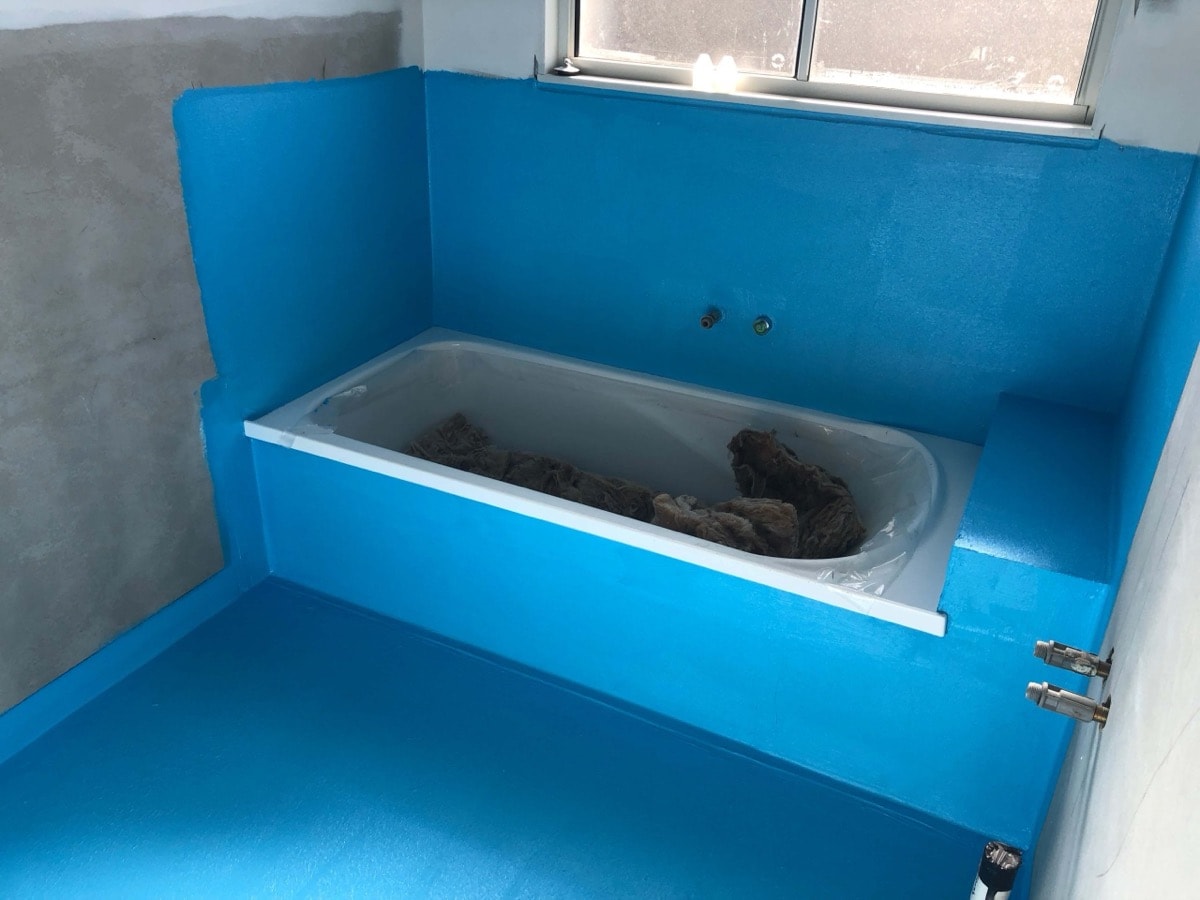
Balconies above habitable rooms require full waterproofing to AS 3740:
- Membrane system: Liquid-applied or sheet membrane over the entire substrate
- Upturns: Minimum 150mm waterproof upturn at all walls and penetrations
- Licensed waterproofer: NSW law requires licensed professionals for all waterproofing
- Certification: Waterproofing must be inspected and certified before tiling commences
Climate Considerations for Sydney Outdoor Tiling
Sydney's climate presents specific challenges for outdoor tiles:
UV Exposure
- Colour fading: Choose UV-stable tiles — porcelain is inherently UV resistant
- Adhesive degradation: Use outdoor-rated adhesives designed for UV exposure
- Grout protection: Epoxy or UV-stable grout prevents yellowing and deterioration
Salt Air and Coastal Conditions
Properties on the Northern Beaches and Central Coast face additional salt air exposure:
- Low-porosity tiles: Porcelain (<0.5% absorption) resists salt penetration
- Stainless fixings: All metal components should be marine-grade stainless
- Regular rinsing: Periodic freshwater wash removes salt deposits
- Natural stone sealing: More frequent sealing cycles for coastal properties
Thermal Movement
- Expansion joints: Every 4-5 metres and at all changes of direction
- Flexible adhesive: Modified adhesives accommodate thermal expansion
- Perimeter gaps: 10mm minimum gap at walls and fixed structures
- Control joints: Aligned with substrate control joints
Maintaining Outdoor Tiles in Sydney
Proper maintenance extends the life of your outdoor tiling and keeps it looking its best:
Regular Cleaning
- Weekly sweep: Remove leaves, dirt, and debris to prevent staining
- Monthly wash: Mild detergent and water with a soft broom or mop
- Pressure washing: Annual pressure wash (low setting) for deep cleaning — avoid on natural stone
- Mould prevention: Treat shaded areas with appropriate anti-mould solutions
Sealing Schedule
- Porcelain tiles: No sealing required — one of their key advantages
- Sandstone and travertine: Seal every 1-2 years, more frequently in coastal areas
- Granite: Seal every 2-3 years depending on exposure
- Grout lines: Re-seal grout every 1-2 years to prevent moisture ingress
Seasonal Inspections
- Before summer: Check for cracked tiles, damaged grout, and clear drainage points
- After winter: Inspect for moisture damage, mould growth, and lifting tiles
- Expansion joints: Replace deteriorated sealant in expansion joints as needed
- Drainage: Ensure all drainage channels and outlets are clear
Choosing an Outdoor Tiling Contractor in Sydney
Outdoor tiling demands specialised expertise beyond standard interior work. Select a contractor by verifying these credentials:
- Licensing: Valid NSW contractor licence for building work
- Insurance: Public liability insurance ($20M coverage recommended) and workers compensation
- Waterproofing capability: Licensed to perform balcony and wet area waterproofing
- Outdoor experience: Specific portfolio of completed outdoor projects
- Material knowledge: Understanding of non-slip ratings, drainage design, and expansion requirements
- Written warranties: Comprehensive guarantees on workmanship and materials
- Local references: Verified testimonials and strong Google ratings from Sydney clients
Look for contractors with 10+ years of experience and 100+ completed projects across a range of outdoor applications. A tiler with local expertise across Sydney, the Northern Beaches and the Central Coast will understand the specific drainage, salt air, and UV challenges that coastal outdoor areas face — and choose materials and techniques accordingly.
Frequently Asked Questions
What is the best tile for outdoor areas in Sydney?
Outdoor-rated porcelain tiles are the best all-round choice for Sydney. They have near-zero water absorption, resist UV fading, require no sealing, and are available with non-slip finishes rated P4/R11 or higher. For pool surrounds, travertine is also popular due to its naturally cool surface.
Do I need waterproofing for my patio or balcony tiles?
Balconies above habitable rooms require full waterproofing under AS 3740 — this is mandatory and must be completed by a licensed waterproofer. Ground-level patios generally don't require membrane waterproofing, but proper drainage gradients are essential.
How much does outdoor tiling cost in Sydney?
Outdoor tiling typically costs between $50-$120 per sqm including installation, depending on tile type. Porcelain sits in the $55-$85 range, while natural stone ranges from $70-$120 per sqm. A typical 20 sqm patio costs approximately $1,500-$3,000 installed.
Can I tile directly over an existing concrete patio?
In many cases, yes — provided the concrete is structurally sound, level, and free from significant cracking. The surface needs proper preparation including cleaning, levelling, and priming. Your tiler will assess whether the existing slab is suitable or needs repair work first.
How do I prevent outdoor tiles from cracking in summer?
Thermal cracking is prevented through proper installation technique: expansion joints every 4-5 metres, flexible modified adhesives, perimeter gaps at walls and fixed structures, and control joints aligned with the substrate. Professional installation accounts for all of these factors.

Sydney Tiling 1
Expert Tiling Team
Our expert tiling team has over 15 years of experience providing professional tiling and waterproofing services across Sydney, the Northern Beaches and the Central Coast.