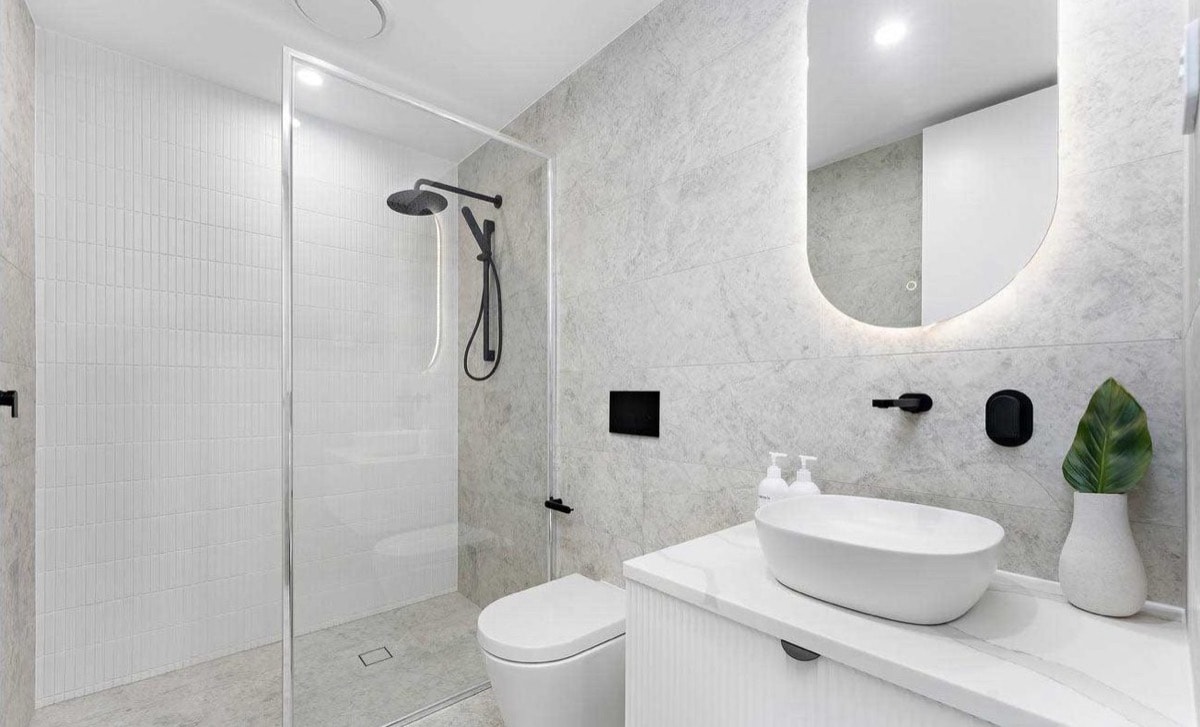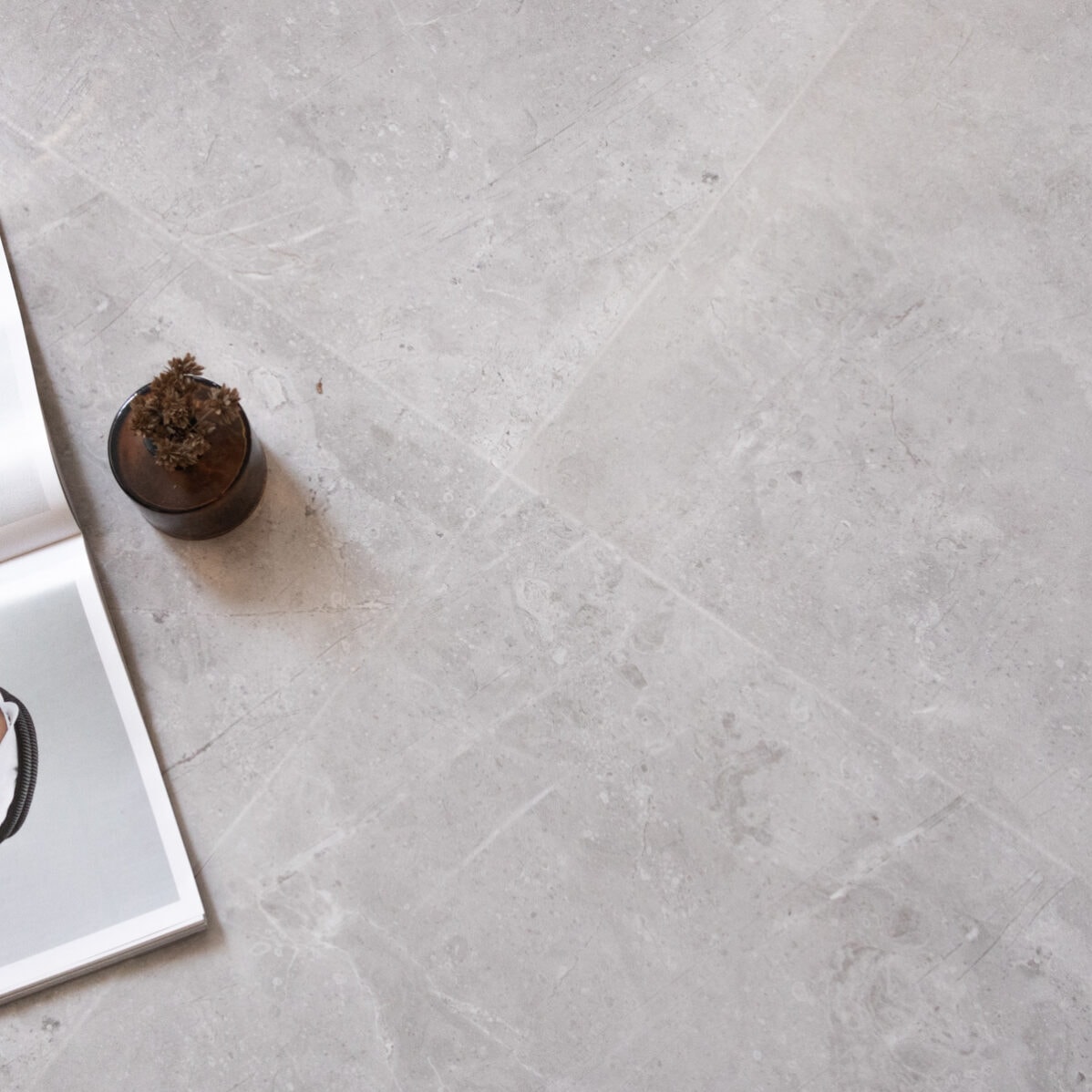
Ceramic vs Porcelain vs Natural Stone: Choosing the Right Tiles for Your Sydney Home | Sydney Tiling 1
Compare ceramic, porcelain, and natural stone tiles for Sydney homes. Understand durability, cost, maintenance, and which tile type suits each room — from bathrooms to outdoor areas.

Sydney Tiling 1
11 min read
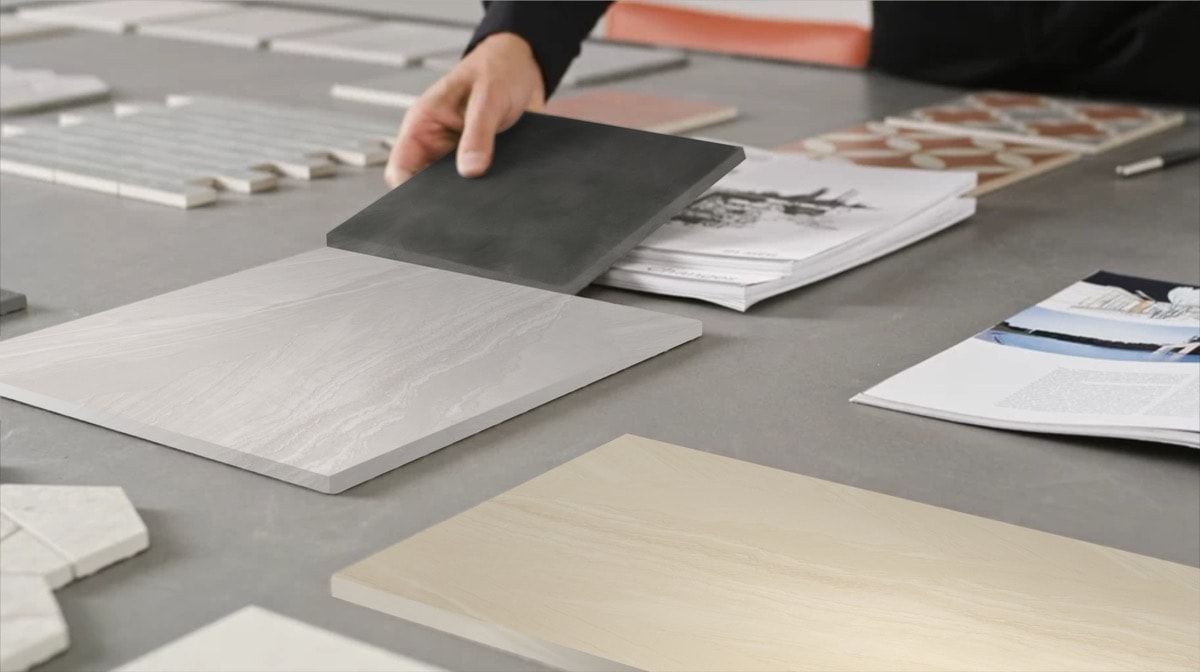
Key Takeaways
- Porcelain tiles offer the best all-round performance for Sydney homes — low water absorption, high durability, and minimal maintenance
- Ceramic tiles are the most budget-friendly option at $25-$50 per sqm, ideal for low-moisture internal areas
- Natural stone tiles (marble, travertine, granite) cost $60-$120+ per sqm and require regular sealing
- Large format tiles (600x600mm+) create modern, minimal-joint aesthetics but need experienced tilers for proper installation
- Coastal Sydney homes should prioritise low-porosity tiles that resist salt air and humidity
Choosing the Right Tiles for Your Sydney Home
Selecting the right tile type is one of the most important decisions in any renovation. The tile you choose affects durability, maintenance, appearance, and long-term value — and with Sydney's humid coastal climate, the wrong choice can lead to premature wear or costly replacements. Whether you're tiling a bathroom in Dee Why, planning a kitchen renovation on the Central Coast, or choosing floor tiles for a living area in Manly, this guide breaks down the key differences between ceramic, porcelain, and natural stone so you can make an informed decision.
Ceramic vs Porcelain vs Natural Stone: At a Glance
Here's how the three main tile types compare across the factors that matter most:
| Factor | Ceramic | Porcelain | Natural Stone |
|---|---|---|---|
| Cost per sqm (installed) | $25 - $50 | $40 - $75 | $60 - $120+ |
| Water absorption | 3-10% | <0.5% | 0.5-10% (varies) |
| Durability | Moderate | High | High (varies by stone) |
| Maintenance | Low | Very low | High (regular sealing) |
| Suitable for wet areas | Walls only (limited) | Floors and walls | With proper sealing |
| Outdoor suitable | No | Yes (outdoor-rated) | Select types only |
| Lifespan | 15-20 years | 25-50+ years | 30-100+ years |
Ceramic Tiles
Ceramic tiles are made from natural clay fired at lower temperatures than porcelain. They're the most budget-friendly option and work well for internal walls and low-traffic areas.
Advantages
- Affordable: The lowest cost per sqm at $25-$50 installed — ideal for budget renovations
- Easy to cut: Softer body makes cutting and shaping straightforward
- Wide colour range: Glazed finishes available in virtually any colour or pattern
- Lightweight: Easier to install on walls and upper-floor applications
Limitations
- Higher water absorption (3-10%): Not ideal for wet area floors or outdoor use
- Less durable: More prone to chipping and cracking under heavy impact
- Glaze wear: Surface glaze can wear over time in high-traffic areas
- Not frost resistant: Unsuitable for outdoor applications in cooler climates
Best Applications
- Bathroom walls and splashbacks
- Kitchen splashbacks
- Low-traffic internal walls
- Rental property renovations
- Laundry walls
Porcelain Tiles
Porcelain tiles are made from refined clay fired at much higher temperatures (1200-1400°C), creating a denser, harder tile with significantly lower water absorption. They're the most versatile and popular choice for Sydney homes.
Advantages
- Near-zero water absorption (<0.5%): Safe for wet areas, bathrooms, and outdoor use
- Extremely durable: Resistant to scratches, chips, stains, and heavy foot traffic
- UV stable: Colours won't fade in direct sunlight — suitable for outdoor areas
- Low maintenance: No sealing required, simple cleaning with water and mild detergent
- Full-body colour: Many porcelain tiles have colour through the entire body, so chips are less visible
- Design versatility: Available in stone-look, timber-look, marble-look, and concrete-effect finishes
Limitations
- Higher cost: $40-$75 per sqm installed — more than ceramic but less than natural stone
- Harder to cut: Requires professional-grade diamond wet saws
- Heavier: Dense body adds weight — structural consideration for large format tiles on walls
- Cold underfoot: Can feel cold without underfloor heating (same as all hard tiles)
Best Applications
- Bathroom floors and walls (the top choice for wet areas)
- Kitchen floors and splashbacks
- Living area and hallway floors
- Outdoor patios, balconies, and pool surrounds (outdoor-rated)
- High-traffic commercial and residential spaces
Natural Stone Tiles
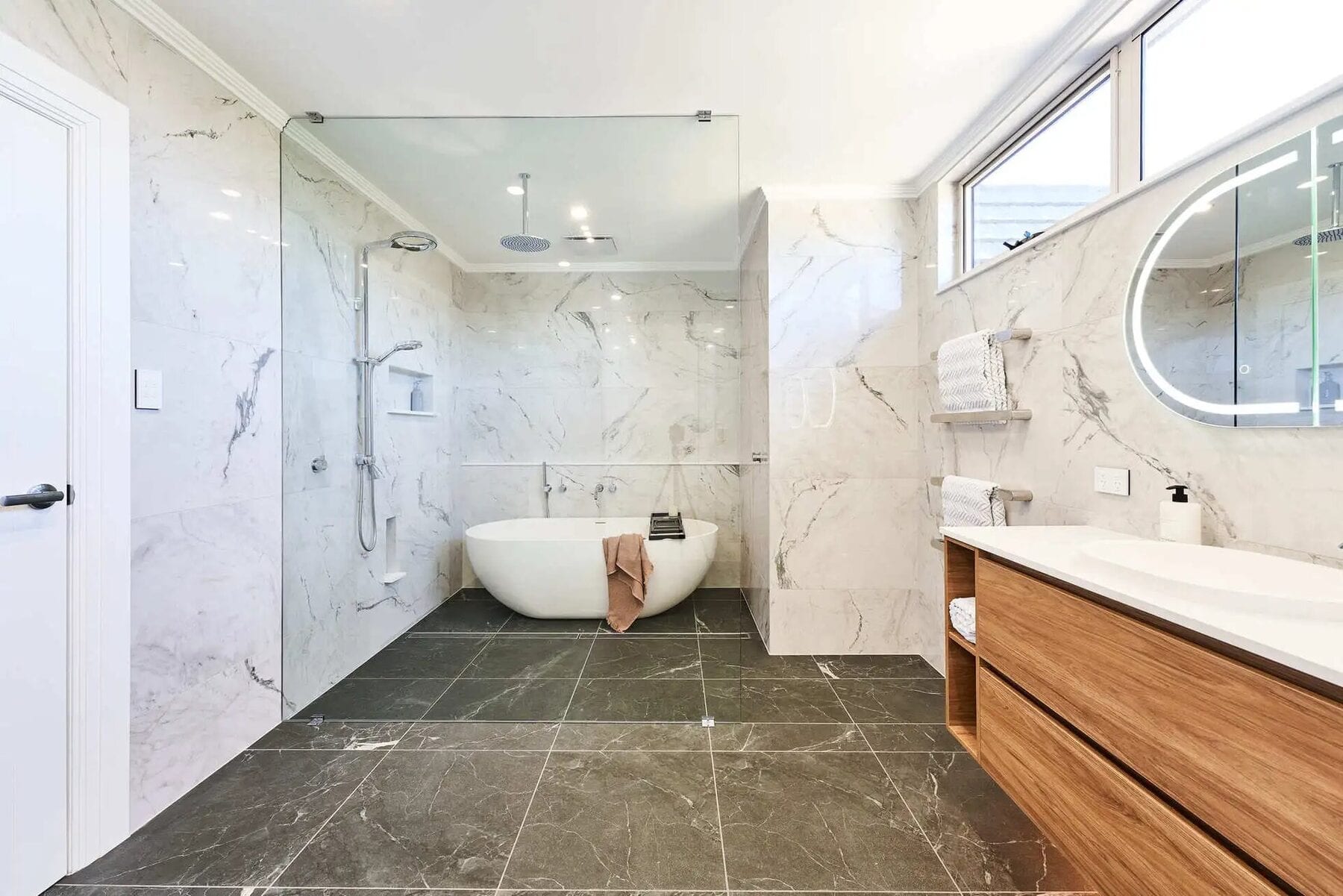
Natural stone tiles — marble, travertine, granite, slate, and limestone — offer unmatched character and luxury. Each piece is unique, with natural veining, colour variations, and texture that manufactured tiles can only imitate.
Common Natural Stone Types
| Stone Type | Cost per sqm (installed) | Characteristics | Best for |
|---|---|---|---|
| Marble | $80 - $150+ | Elegant veining, polished or honed finish | Feature walls, bathroom vanities, luxury floors |
| Travertine | $65 - $100 | Warm tones, natural texture, cool underfoot | Pool surrounds, patios, bathrooms |
| Granite | $70 - $120 | Extremely hard, speckled pattern, salt-resistant | High-traffic floors, outdoor areas, coastal properties |
| Slate | $60 - $90 | Layered texture, earthy tones, naturally non-slip | Entryways, outdoor paths, feature walls |
| Limestone | $65 - $110 | Soft, subtle appearance, porous | Internal feature walls, low-traffic floors |
Advantages
- Unique character: Every tile is one-of-a-kind with natural variations
- Exceptional longevity: Well-maintained stone can last 50-100+ years
- Adds property value: Natural stone is perceived as a premium material
- Ages beautifully: Develops patina over time that many homeowners value
Limitations
- Requires regular sealing: Most natural stone needs sealing every 1-3 years
- Stain susceptible: Porous surfaces absorb spills if not properly sealed
- Higher cost: Both materials and installation are more expensive
- Specialist installation: Requires experienced tilers familiar with natural stone techniques
- Acid sensitivity: Marble and limestone react to acidic substances (lemon juice, vinegar)
Large Format Tiles
Large format tiles (600x600mm and above, up to 1200x2400mm) are increasingly popular in Sydney homes, regardless of material:
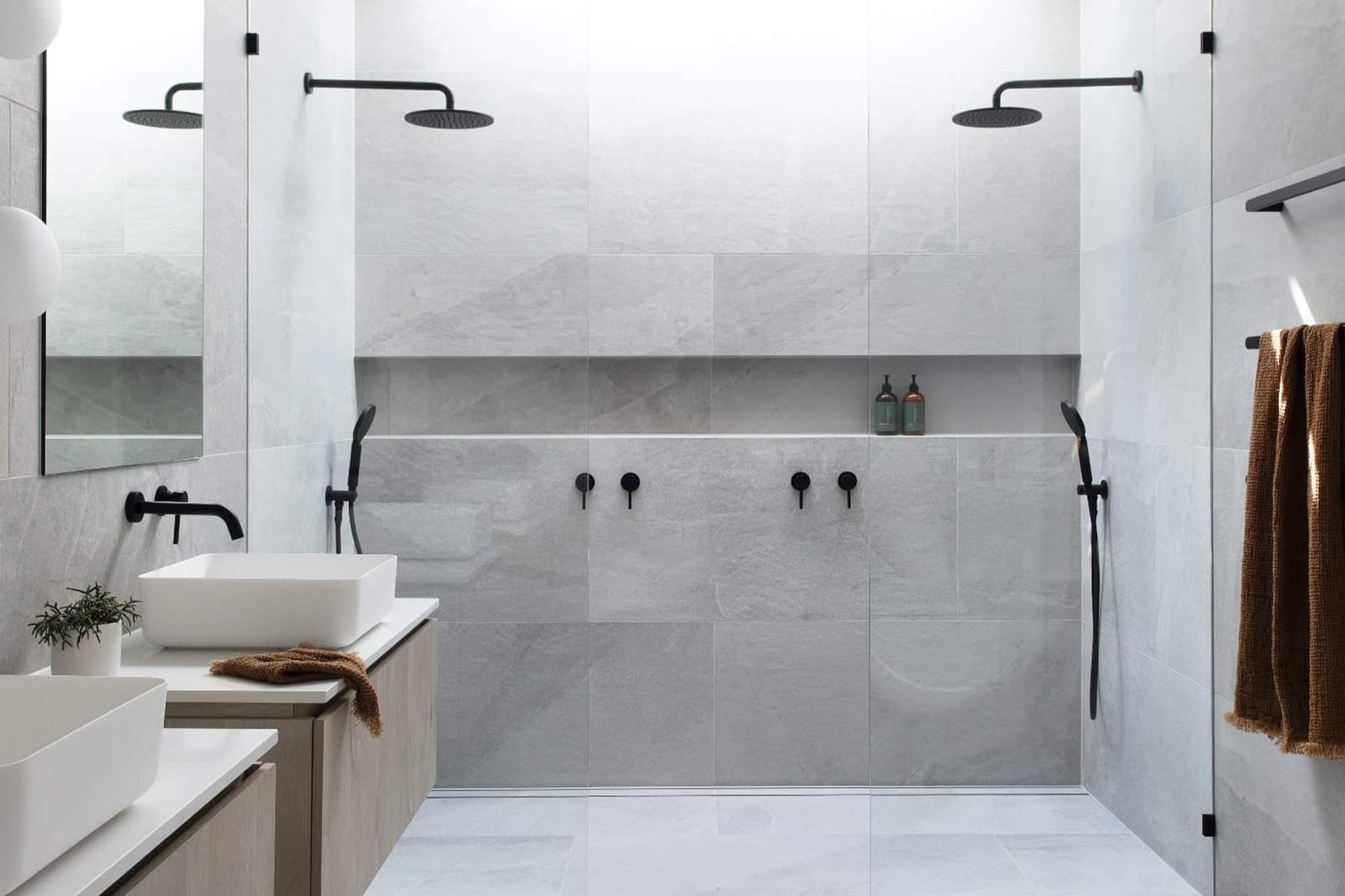
- Fewer grout lines: Creates a cleaner, more continuous appearance
- Makes rooms feel larger: Continuous surface with minimal interruption
- Easier to clean: Less grout means less grout maintenance
- Modern aesthetic: Suits contemporary interior design trends
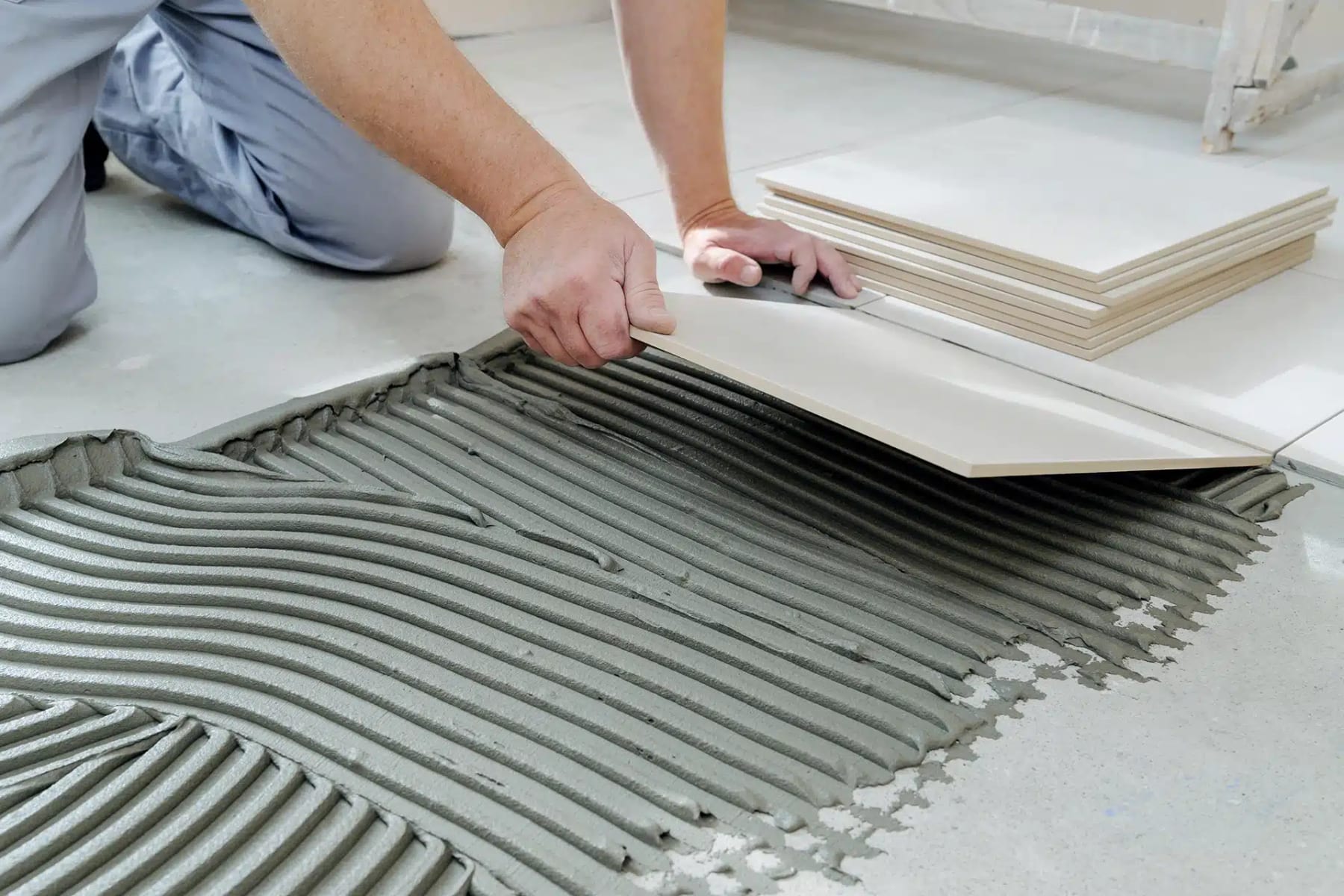
Important: Large format tiles require perfectly level substrates and experienced tilers. Improper installation leads to lippage (uneven tile edges) and cracking. Professional installation is essential for tiles above 600x600mm.
Mosaic Tiles
Mosaic tiles (typically under 100x100mm, often on mesh sheets) serve a different purpose — adding detail, texture, and visual interest:
- Feature walls: Create focal points in bathrooms and kitchens
- Shower niches: Add design contrast within tiled showers
- Splashback accents: Decorative bands or borders within larger tile installations
- Pool waterlines: Classic application for pool waterline tiling
Mosaic tiles cost between $50-$95 per sqm installed, depending on material (glass, ceramic, natural stone) and pattern complexity.
Room-by-Room Tile Recommendations for Sydney Homes
Here's what works best in each room, considering Sydney's climate and typical home layouts:
| Room | Recommended Tile | Why |
|---|---|---|
| Bathroom floors | Porcelain | Low absorption, non-slip options, handles moisture |
| Bathroom walls | Porcelain or ceramic | Both work well; ceramic is more budget-friendly for walls |
| Kitchen floor | Porcelain | Stain-resistant, durable under heavy foot traffic and spills |
| Kitchen splashback | Ceramic, porcelain, or glass mosaic | Design flexibility; easy to clean behind cooktops |
| Living areas | Porcelain or natural stone | Durability for high traffic; stone adds warmth and character |
| Outdoor areas | Outdoor-rated porcelain or granite | UV stable, frost resistant, non-slip, low maintenance |
| Pool surround | Travertine or non-slip porcelain | Cool underfoot, P5/R12 rated, chlorine-resistant |
| Feature walls | Natural stone, mosaic, or textured porcelain | Visual impact; natural stone provides unique character |
Tile Selection for Coastal Sydney Homes
Homes on the Northern Beaches and Central Coast face additional challenges from salt air, humidity, and UV exposure. These factors should influence your tile selection:
Moisture and Humidity
- Prioritise low-porosity tiles: Porcelain (<0.5% absorption) is the safest choice
- Avoid high-absorption ceramics: Standard ceramics can absorb moisture and develop mould in humid bathrooms
- Seal natural stone thoroughly: Coastal humidity means more frequent sealing cycles
- Ventilation matters: Proper bathroom ventilation extends tile lifespan regardless of material
Salt Air Resistance
- Porcelain: Naturally resistant to salt — ideal for coastal properties
- Granite: Dense structure resists salt penetration well
- Marble and limestone: More vulnerable — requires premium sealer and regular maintenance
- Grout selection: Epoxy grout resists salt and moisture better than cement-based grout
Choosing a Tiling Contractor in Sydney
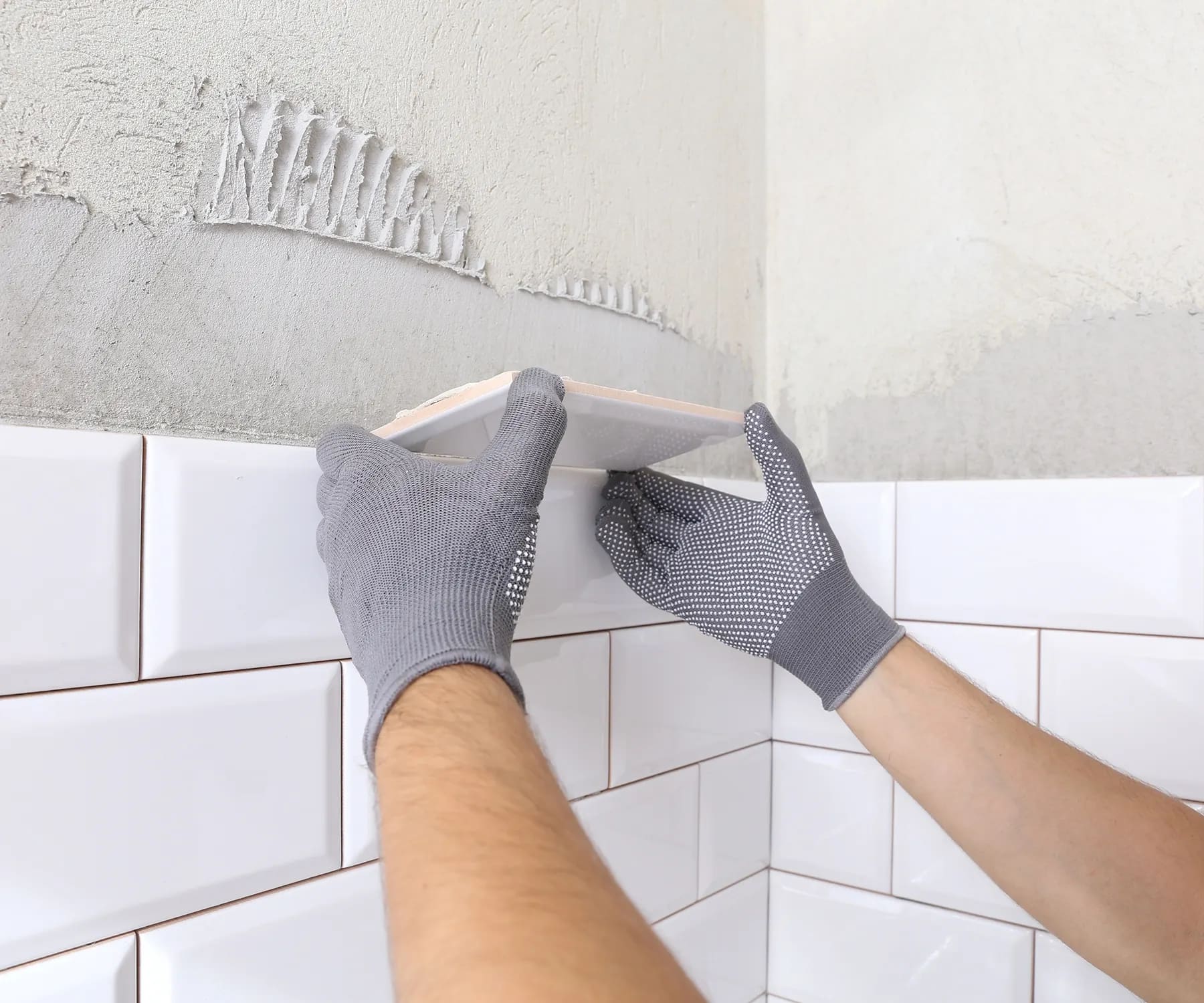
The tile you choose is only as good as the professional installation. A qualified tiler ensures proper substrate preparation, adhesive selection, waterproofing, and grouting — all of which affect the longevity of your tiled surfaces.
- Licensing: Valid NSW contractor licence for building work
- Insurance: Public liability insurance ($20M coverage recommended) and workers compensation
- Material expertise: Experience with your chosen tile type (natural stone requires different techniques to porcelain)
- Waterproofing capability: Licensed to perform wet area waterproofing where required
- Portfolio: Recent examples across different tile types and room applications
- Written warranties: Comprehensive guarantees on workmanship
- Local references: Verified testimonials and strong Google ratings from Sydney clients
Look for contractors with 10+ years of experience and 100+ completed projects. A locally established tiler with deep knowledge of Sydney's Northern Beaches and Central Coast conditions will recommend materials that perform well in your specific environment — and install them to a standard that lasts.
Frequently Asked Questions
What is the difference between ceramic and porcelain tiles?
The main difference is density and water absorption. Porcelain is fired at higher temperatures (1200-1400°C), producing a denser tile with less than 0.5% water absorption — compared to 3-10% for ceramic. This makes porcelain more durable, suitable for wet areas, and appropriate for outdoor use. Ceramic is softer, lighter, and more affordable.
Are porcelain tiles worth the extra cost over ceramic?
For floors, wet areas, and high-traffic spaces — yes. Porcelain lasts 25-50+ years versus 15-20 for ceramic, requires no sealing, and handles moisture far better. For internal walls and splashbacks with minimal water exposure, ceramic offers good value at a lower price point.
Do natural stone tiles need sealing?
Yes. Most natural stone tiles (marble, travertine, limestone, sandstone) are porous and require sealing before installation and periodic re-sealing every 1-3 years. Granite is the exception — it's naturally dense and needs sealing less frequently. Your tiler should apply an impregnating sealer as part of the installation process.
What tile is best for Sydney bathrooms?
Porcelain tiles are the top recommendation for Sydney bathrooms. Their low water absorption (<0.5%), durability, and range of non-slip finishes make them ideal for both floors and walls. They handle Sydney's humidity without absorbing moisture, and they're available in finishes that replicate marble, timber, and concrete at a fraction of the cost.
Can I use the same tiles indoors and outdoors?
Only if the tiles are rated for outdoor use. Standard ceramic and some porcelain tiles are not suitable for exterior applications. Look for tiles specifically rated as outdoor-appropriate with appropriate non-slip ratings (P4/R11 minimum) and low water absorption. Our outdoor tiling guide covers non-slip ratings, drainage requirements, and material selection in detail.

Sydney Tiling 1
Expert Tiling Team
Our expert tiling team has over 15 years of experience providing professional tiling and waterproofing services across Sydney, the Northern Beaches and the Central Coast.